Extensions
Do Hair Extensions Damage Your Natural Hair? The Truth
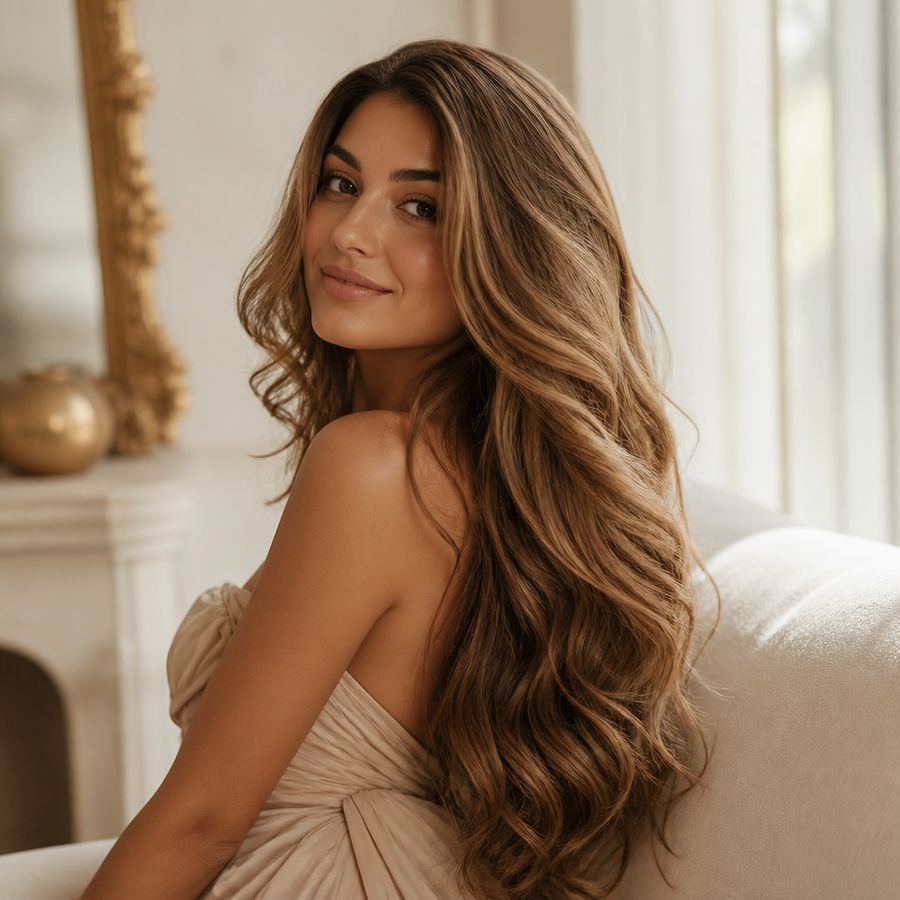
The idea of longer, fuller hair is undoubtedly appealing, but a common worry often surfaces: will hair extensions damage my natural hair? It's a valid concern, and we're here to set the record straight. With proper application, high-quality materials, and diligent home care, extensions should absolutely not cause damage. In fact, many clients find their natural hair thrives underneath well-maintained extensions. The key lies in understanding the 'how' and choosing the right approach from the start.
The Foundation: Quality Matters, Always
Just like any beauty investment, the quality of your hair extensions makes a significant difference. Opting for cheap, synthetic, or poorly sourced hair can lead to tangling, breakage, and discomfort. At Salon Sora, we exclusively use premium, 100% human Remy hair. This means all cuticles are intact and aligned in the same direction, mimicking your natural hair's growth pattern. This attention to quality minimizes friction, tangles, and matting, which are significant contributors to potential damage. Inferior hair not only looks less natural but also requires more aggressive brushing and styling, putting undue stress on your own strands. Think of it like this: you wouldn't use harsh chemicals on your face, so why compromise on the hair attached to your head? Investing in high-grade hair from the outset is the first, crucial step toward a damage-free extension experience, especially when dealing with Boca Raton's humidity.
Choosing the Right Method for Your Hair Type
Not all extension methods are created equal, and what works beautifully for one person might not be ideal for another. Your Salon Sora stylist will conduct a thorough consultation to assess your natural hair's density, texture, and overall health. For fine hair, methods like tape-ins or beaded wefts (like NBR / Natural Beaded Rows or SKW) that distribute weight evenly are often excellent choices. These minimize stress on individual strands. Conversely, for very thick or coarse hair, a method that offers more robust attachment might be more suitable. It's about finding the perfect match. A poorly chosen method, such as putting heavy extensions on fragile hair, is a direct path to breakage. We'll discuss the pros and cons of various techniques, including Bellami and Great Lengths, to ensure your natural hair remains healthy and strong beneath the extensions.
The Stylist Factor: Expert Application is Non-Negotiable
This is arguably the most critical element in preventing damage. An expertly trained and certified extension specialist knows exactly how much hair your natural strands can safely support, where to place the extensions to avoid tension, and how to apply them securely without pulling or breaking your hair. Improper application can lead to scalp irritation, traction alopecia (hair loss from pulling), and visible damage. Our stylists at Salon Sora undergo rigorous training and hold certifications in multiple extension techniques. We prioritize the health of your natural hair above all else. This means precise sectioning, correct bead or tape placement, and ensuring proper tension – not too tight, not too loose. Don't underestimate the impact of a seasoned professional; it’s the difference between gorgeous, healthy growth and regrettable damage.
At-Home Care: Your Role in Maintaining Health
Even with the best hair and application, your at-home maintenance routine plays a huge role in preventing damage. Gentle brushing is paramount; always use an extension-friendly brush (like a boar bristle or loop brush) starting from the ends and working your way up. Avoid harsh scrubbing when shampooing; instead, gently massage your scalp and let the suds run through the lengths. Using sulfate-free and paraben-free products, like those from Goldwell or Kerastase, is essential to protect the bonds and prevent dryness. Regular, scheduled maintenance appointments are also non-negotiable. Typically, you'll need to visit us every 6-8 weeks to have your extensions moved up or re-taped. Neglecting these appointments allows extensions to grow out too far, causing tangling and excessive tension, which can pull at your natural hair. Following your stylist's specific care instructions, including sleeping in a loose braid or silk cap, will keep both your extensions and natural hair in pristine condition.
Myth vs. Reality: Extensions as a Protective Style?
While traditionally seen as a styling solution, extensions can, in many cases, act as a protective style for your natural hair. By covering your hair, they shield it from environmental stressors like the intense South Florida sun, humidity-induced frizz, and daily styling heat. Many clients report that their natural hair grows longer and healthier while wearing extensions because it's left undisturbed and protected. However, this is only true if all the aforementioned factors – quality hair, proper method, expert application, and diligent home care – are in place. If corners are cut, extensions can indeed cause issues. When approached correctly, extensions can be a fantastic tool for growth, giving your natural hair a much-needed break from heat styling and harsh elements, allowing it to flourish underneath.
Frequently Asked
Can hair extensions cause hair loss?+
Hair extensions themselves do not cause hair loss when applied correctly by a professional and properly cared for. However, improper application, excessive tension, or neglecting maintenance can lead to a type of hair loss called traction alopecia over time. This is why choosing a skilled stylist and following aftercare instructions are so important.
How long should I wear hair extensions?+
The duration depends on the type of extensions and your natural hair growth. Generally, permanent extension methods like tape-ins or beaded wefts need to be moved up or re-applied every 6-8 weeks. Your stylist will provide a personalized schedule to ensure your natural hair remains healthy and to prevent any issues from over-worn extensions.
What products should I avoid with hair extensions?+
Avoid products containing sulfates, parabens, and heavy oils directly on the extension bonds or tapes, as these can break down adhesives and dry out the hair. Look for extension-safe, moisturizing shampoos and conditioners. Also, be mindful of excessive heat styling without heat protectant, just as you would with your natural hair.
The Salon Sora Puzzle
Play it now —
it's on the house.
Opens in a new tab · Free to play
Keep Reading