Cuts
Dry Cut vs. Wet Cut: When is a Dry Haircut Right for You?
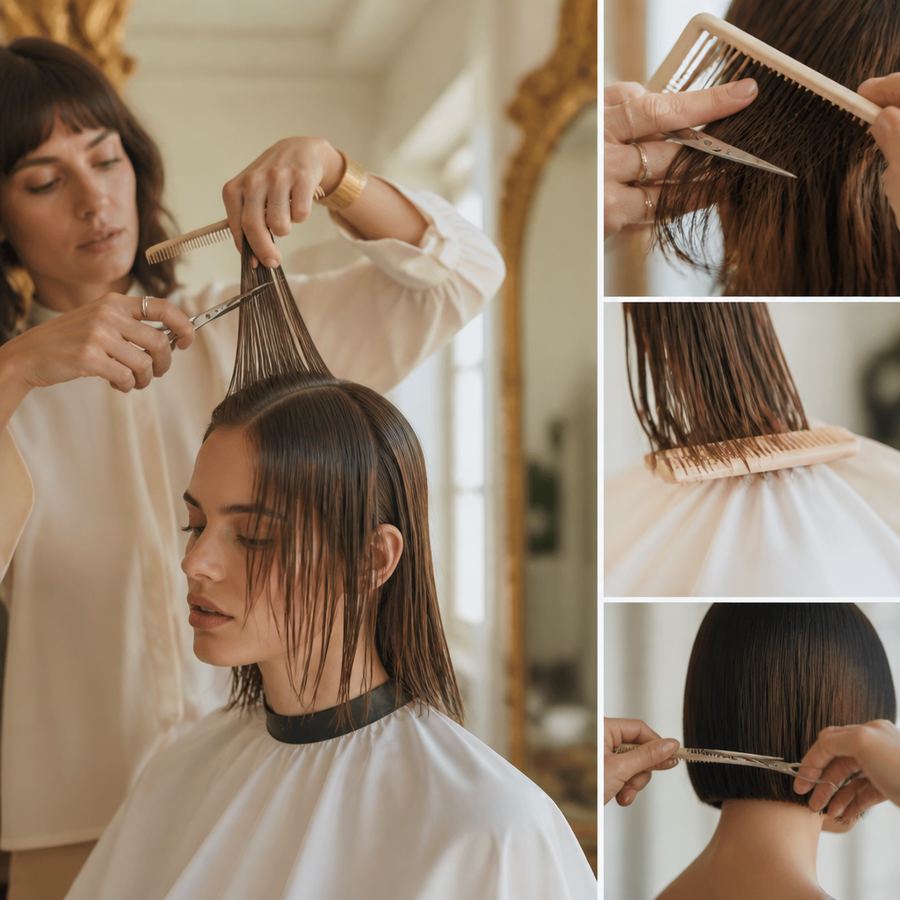
A dry cut is simply hair cut while dry, mimicking its natural fall and texture. This method allows your stylist to visualize the finished style more accurately, as the hair isn't weighed down or altered by water. It’s a technique favored for its precision and tailored results. While a traditional wet cut begins with a shampoo and conditioning, a dry cut often involves prepping dry, styled hair. Understanding the difference helps you decide which approach best suits your hair type and desired outcome, particularly in South Florida's unique climate.
What Exactly is a Dry Cut?
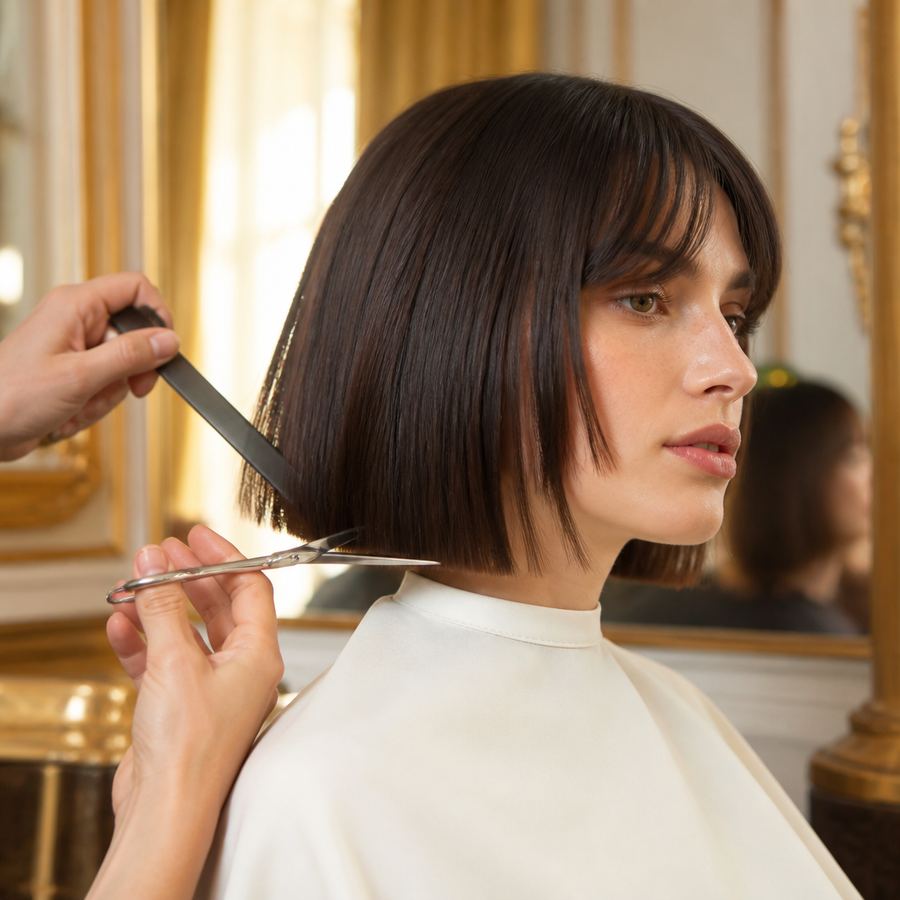
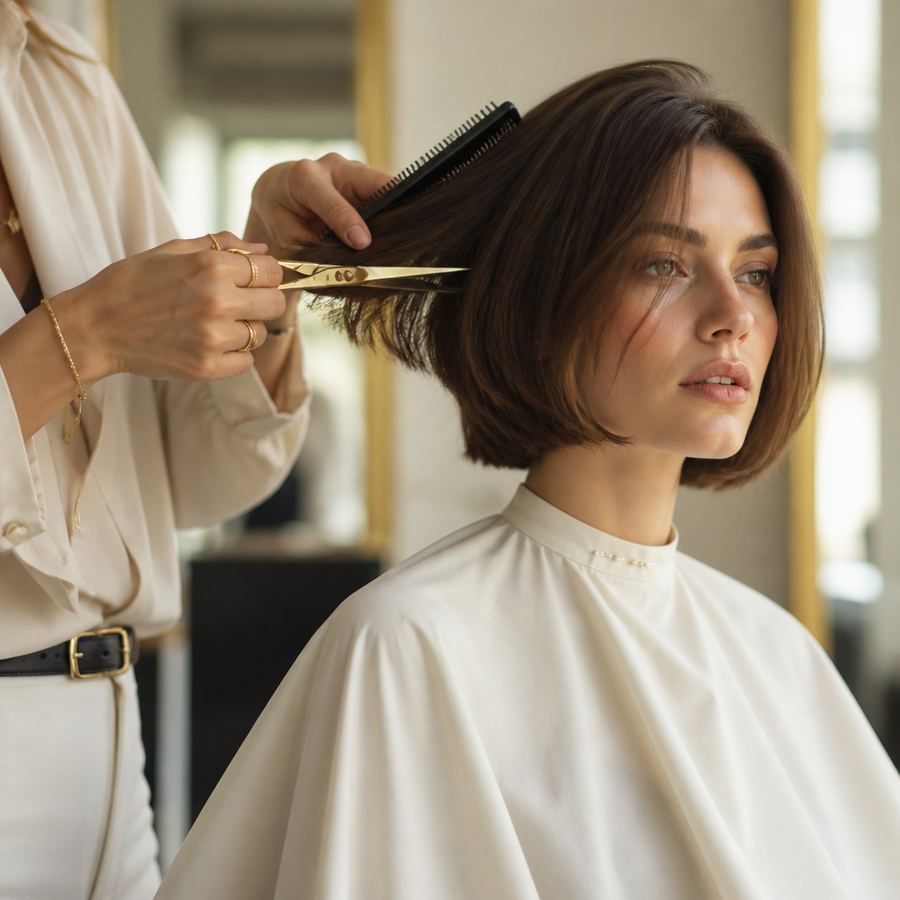
A dry cut starts with hair that is already dry and often styled as you’d typically wear it. This gives your stylist an immediate, realistic view of your hair's natural texture, density, and how it behaves. Think of it as sculpting: your stylist can see exactly how each snip affects the overall shape and movement in real-time. This is particularly beneficial for creating precise lines, layers, or for refining an existing style. At Salon Sora, our stylists often use this technique when absolute precision is paramount. For instance, if you're looking for a sharp bob that needs to sit perfectly, or if you have bangs that require careful feathering, a dry cut allows for that exact level of detail. It’s less about a rough chop and more about a delicate refinement, ensuring the cut falls exactly where it should.
When Is a Dry Cut the Better Choice?
A dry cut truly shines for several hair types and style goals. For those with curly, wavy, or coily hair, a dry cut is often superior. Water dramatically changes the curl pattern, making it nearly impossible to predict how it will look once dry. Cutting curls dry allows your stylist to see where each individual curl naturally springs and to cut based on that specific pattern, preventing uneven results. Similarly, fine hair that tends to look sparse when wet benefits greatly from a dry cut. Your stylist can see the hair's true density and strategically place layers or create blunt lines that maximize volume and fullness. For intricate detail work, like texturizing thick hair or softening perimeter lines, seeing the hair in its natural state is an undeniable advantage. If you have specific cowlicks or growth patterns that affect how your hair lays, a dry cut helps your stylist work with these nuances, rather than against them.
The Advantages of a Wet Cut
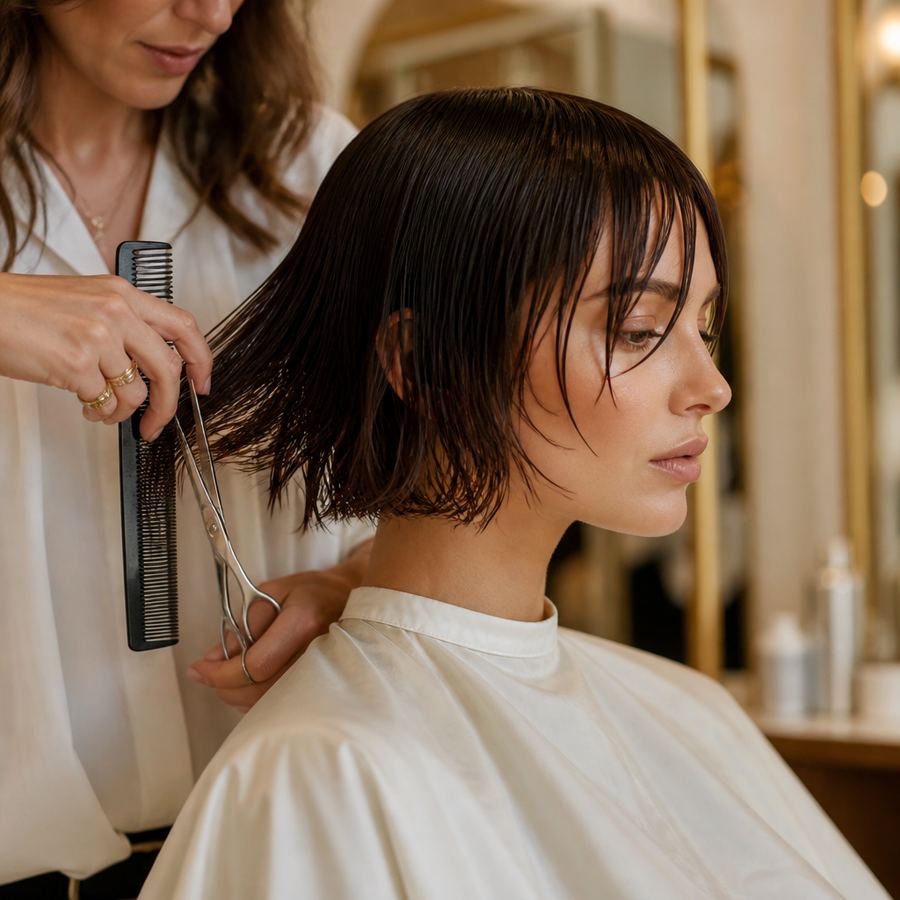
While dry cutting offers precision, wet cutting remains the standard for many good reasons. Cutting hair wet allows for very clean, precise sectioning and enables the stylist to create strong, architectural shapes, especially on straight hair. The hair is more pliable when wet, making it easier to comb through and create uniform lengths, which is crucial for achieving a classic one-length cut or very clean layers that need to blend seamlessly. Beyond the technical aspects, a wet cut typically includes a luxurious shampoo and conditioning treatment, often paired with an indulgent head massage. This not only cleanses and preps the hair but also offers a moment of relaxation. For those needing a significant length removal, a wet cut allows for faster, more efficient work, preparing the hair for subsequent styling and a finish with products like Goldwell Dualsenses Rich Repair serum or K18 masque.
How South Florida's Humidity Plays a Role
In Boca Raton, our humidity is a constant factor that influences how hair behaves. A dry cut can be particularly advantageous here because it accounts for how your hair will naturally respond to our climate. When hair is cut dry, a stylist can better anticipate how it will expand or shrink once you step outside into the South Florida air. This helps prevent those surprising moments when a perfectly styled wet cut suddenly collapses or frizzes differently than expected once dry. By cutting hair in its natural, dry state, your stylist at Salon Sora can craft a shape that truly complements your hair's inherent texture and movement, under real-world conditions. This means your style will hold up better against the humidity, requiring less effort and product (though a good anti-humidity spray is still your friend!) to maintain its intended look throughout the day.
Frequently Asked
Should I wash my hair before a dry cut?+
It's best to arrive with clean, dry hair styled as you normally would. This allows your stylist to see its natural texture and behavior immediately. Avoid heavy products that might alter its natural fall.
Can all hair types get a dry cut?+
While highly beneficial for curly, wavy, and fine hair, most hair types can receive a dry cut for refinement or specific detailing. However, very coarse or extremely tangled hair might benefit from an initial wet cut for ease of sectioning.
What's the typical duration of a dry cut versus a wet cut?+
A dry cut can sometimes be quicker if it's primarily for refinement, as it skips the wash and blow-dry step. However, a detailed dry cut focusing on intricate shaping might take similar time to a full wet cut, depending on the complexity of the style and your hair's density.
The Salon Sora Puzzle
Play it now —
it's on the house.
Opens in a new tab · Free to play
Keep Reading