Balayage
Balayage vs. Highlights: Understanding the Key Differences
Balayage and highlights are both popular color techniques, offering beautiful ways to add dimension and brightness to your hair. While they might seem similar at first glance – both involve lightening sections of your hair – their approach and the final look they achieve are quite distinct. Understanding these differences is key to choosing the right technique for your desired style, maintenance commitment, and the overall aesthetic you're hoping for. Let's delve into what makes each method unique.
What Exactly is Balayage?
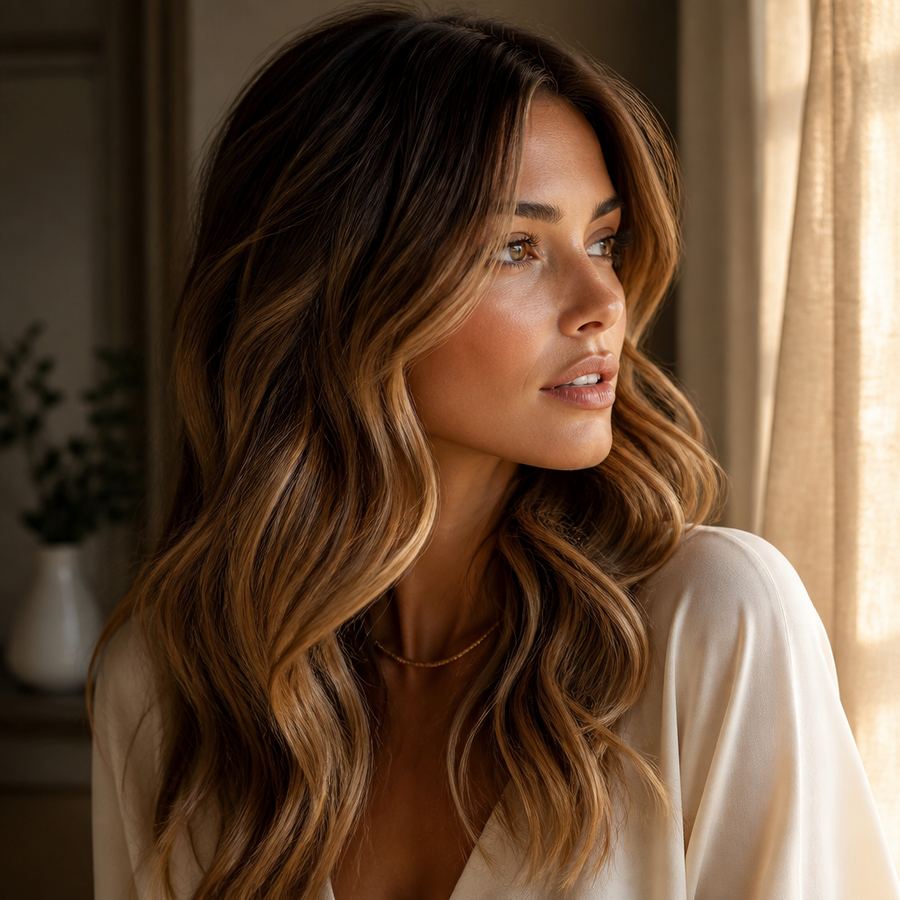
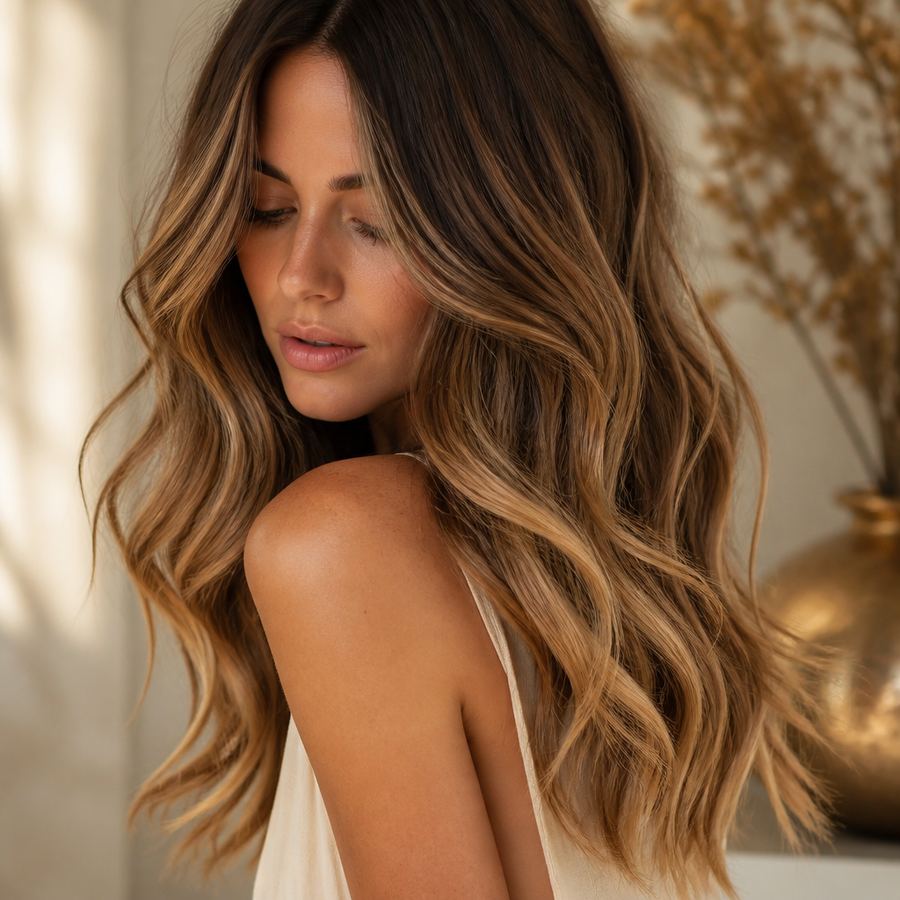
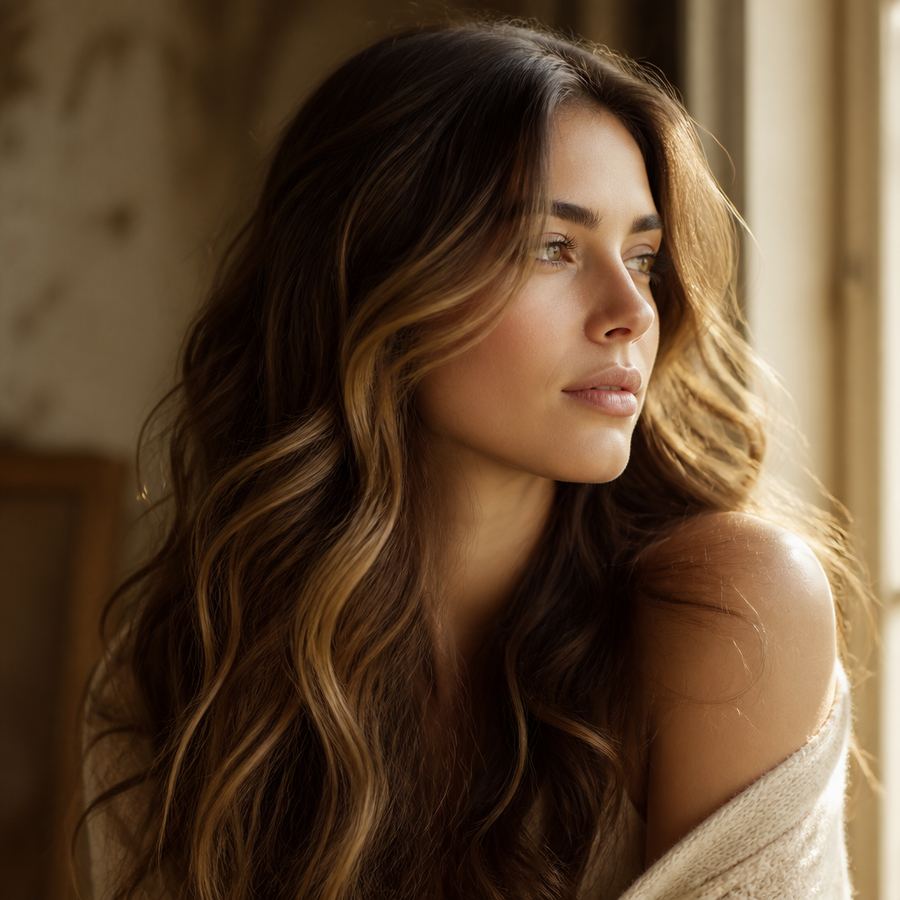
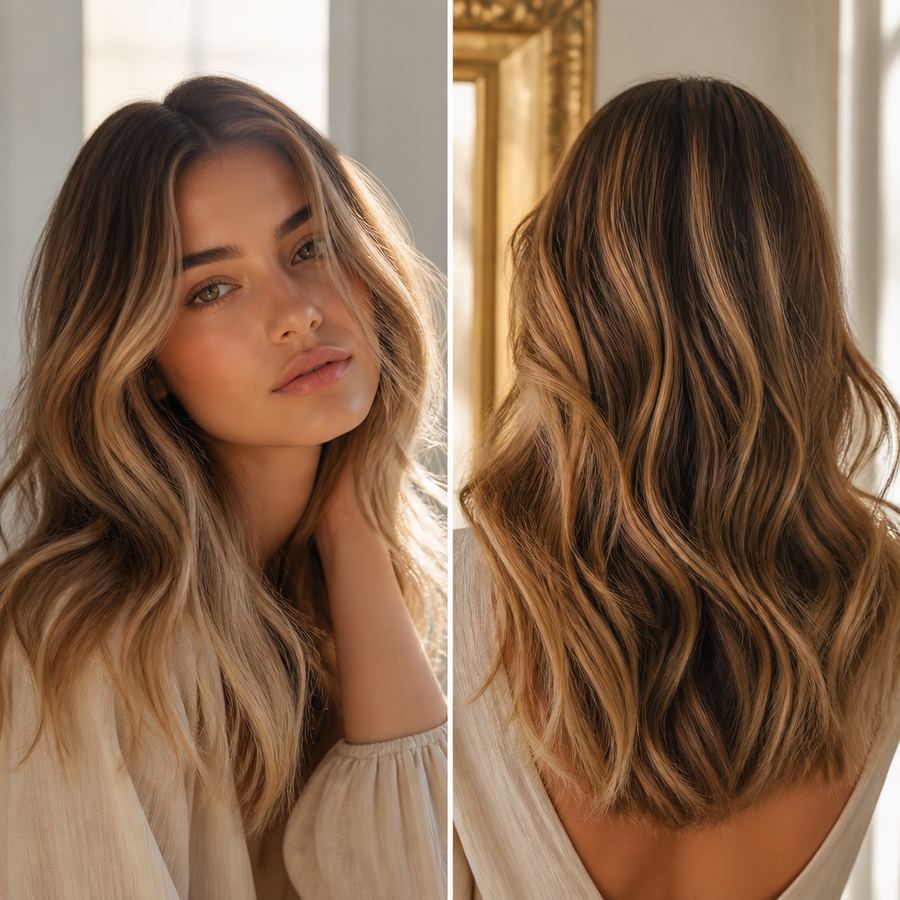
Balayage, from the French word meaning "to sweep," is a freehand hair painting technique that creates soft, natural-looking highlights. Instead of using foils, your colorist hand-paints the lightener directly onto sections of your hair, starting further down the strand and becoming denser towards the ends. This allows for a more artistic, sun-kissed effect, often mimicking the natural lightening that happens from spending time outdoors. Because the application isn't uniform and typically avoids the roots, balayage offers a lower-maintenance grow-out. You won't see a harsh line of demarcation as your hair grows, making it an excellent choice for those who prefer fewer salon visits. We often use high-quality lighteners like Goldwell's SilkLift, ensuring the integrity of your hair through the process. The result is a bespoke color, tailored to your individual cut and style.
How Are Traditional Highlights Different?
Traditional highlights, in contrast, involve meticulously sectioning off portions of your hair and applying lightener from the roots to the ends, usually encased in foils. Foils create a more intense heat environment, allowing the lightener to lift more uniformly and dramatically. This technique typically results in a more structured, all-over brightness, with distinct lighter strands woven throughout your hair. The precision of foiling means highlights often appear more uniform and can create a stronger contrast against your base color. However, this also means a more noticeable grow-out line as your hair lengthens, requiring more frequent touch-up appointments, typically every 6-8 weeks. The process is exact, ensuring every strand within the foil achieves the desired lift, which is why your stylist will carefully time their application.
The Key Differences in Application and Result
The application process is the most significant differentiator. Balayage is painted on, allowing for a more blended transition, while highlights are foiled, creating a more uniform effect. Consider the finished look: balayage provides a soft, diffused glow – think of hair that's been naturally lightened by the South Florida sun. Highlights, on the other hand, deliver a more striking, all-over pattern of lightness that can be bold or subtle, depending on the weave. Another key distinction is closeness to the root. Balayage typically starts a bit further from the scalp, leading to a softer blend and less obvious regrowth. Highlights are applied right from the root for maximum brightness, which means that tell-tale line will appear sooner. We find that many of our clients appreciate the K18 treatment post-coloring, regardless of technique, to ensure hair remains strong and shiny, especially after a lightening service.
Maintenance and Longevity Considerations
When it comes to upkeep, balayage is generally the lower-maintenance option. Its blended nature means you can often go 3-4 months, or even longer, between full services, opting for a toner or gloss in between to refresh the color. This makes it ideal for busy individuals or those who prefer a more relaxed hair care routine. The soft grow-out is especially beneficial in high-humidity climates like Boca Raton, as it keeps your style looking fresh longer. Traditional highlights typically require more frequent salon visits for touch-ups, usually every 6-8 weeks, to manage the regrowth. If you love a consistently bright and uniform look from root to tip, this regular maintenance is part of the commitment. Your stylist will recommend the optimal schedule for your specific highlight pattern and how quickly your hair grows. Both techniques benefit from at-home care with color-safe products to prolong vibrancy.
Frequently Asked
Which technique looks more natural, balayage or highlights?+
Balayage generally provides a more natural, lived-in, sun-kissed look due to its freehand application that mimics how hair naturally lightens in the sun, with softer transitions and a less defined root.
Is balayage better for dark hair?+
Balayage can be stunning on dark hair, creating beautiful dimension and warmth without harsh lines. It's often preferred for a subtle, caramel, or rich auburn effect, creating a sophisticated contrast against a darker base.
Can I get balayage if I already have highlights?+
Absolutely, many clients transition from highlights to balayage, or even combine the techniques. Your stylist will assess your current color and hair health to determine the best approach to achieve your desired balayage look seamlessly.
The Salon Sora Puzzle
Play it now —
it's on the house.
Opens in a new tab · Free to play
Keep Reading