Products
Olaplex vs. K18: Understanding the Differences in Hair Repair
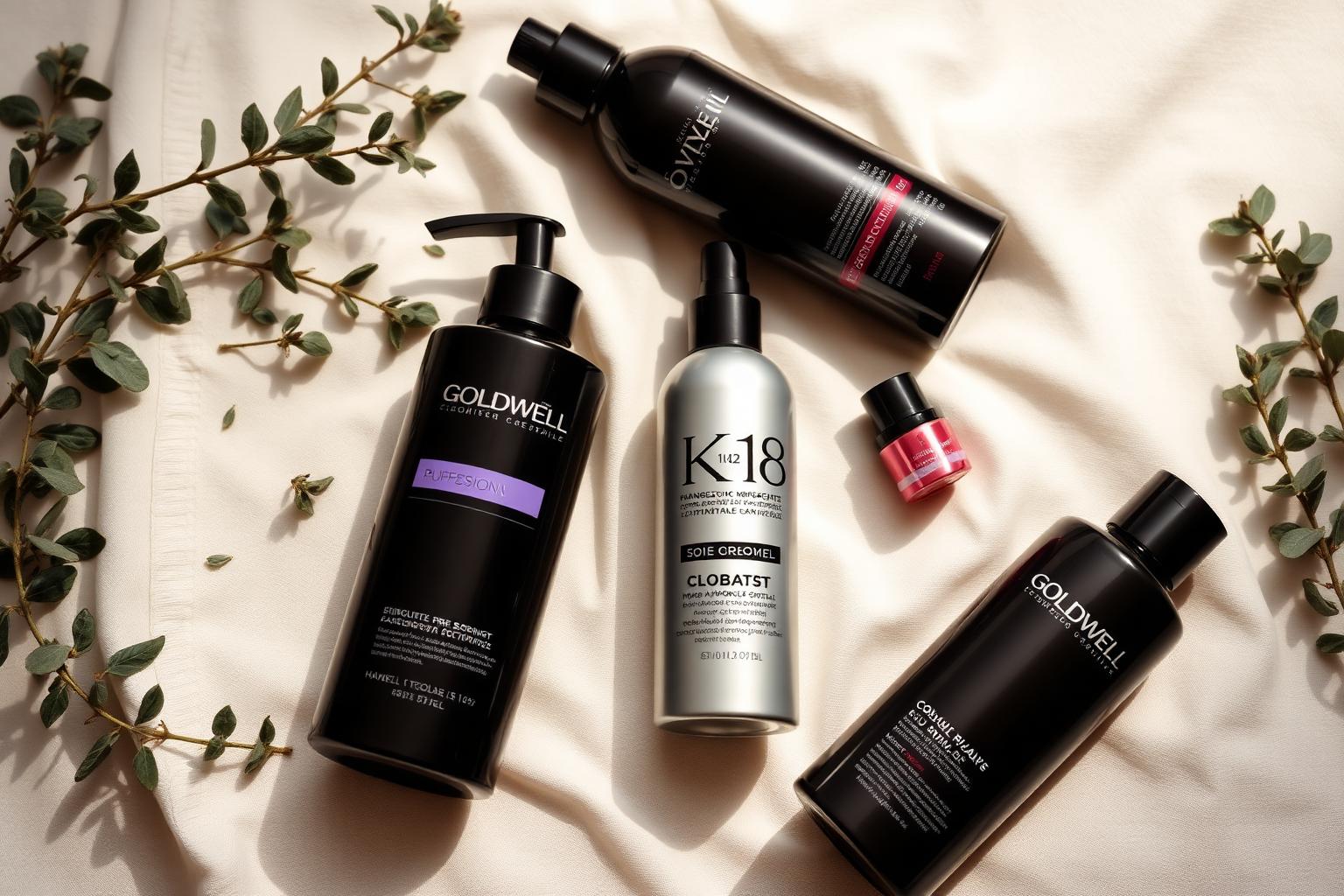
Understanding the core differences between Olaplex and K18 is key to choosing the right solution for your hair's unique needs. While both are celebrated for their ability to restore hair health, they operate on distinct scientific principles to achieve their results. Think of them not as competitors, but as different tools for different jobs within the complex landscape of hair repair. From the sun-drenched days in Boca Raton to the styling choices we make, our hair endures a lot. Knowing whether your hair needs bond-building or peptide-powered renewal will guide you to the most effective treatment. Let's delve into what makes each of these powerhouse treatments unique.
Olaplex: The Original Bond Builder
Olaplex pioneered the bond-building category, revolutionizing how we approach hair repair. Its star ingredient, bis-aminopropyl diglycol dimaleate, works by actively finding and repairing broken disulfide bonds within the hair shaft. These bonds are the molecular architecture that gives hair its strength and structure. Coloring, heat styling, and even environmental factors common in South Florida can snap these bonds. Olaplex helps to reconnect them, making hair stronger, healthier, and more resilient. The range includes in-salon treatments like Olaplex No. 1 and No. 2, as well as a robust lineup of take-home products from shampoos to styling creams, all designed to maintain these newly formed bonds.
K18: Biomimetic Hairscience with Peptides
K18 takes a different, equally innovative approach with its patented K18Peptide™. This powerful, biomimetic peptide mimics natural hair structures to reconnect broken keratin chains. Where Olaplex targets disulfide bonds, K18 focuses on the polypeptide chains that make up the vast majority of our hair's protein. When these chains are damaged, hair loses its integrity, becoming weak and lifeless. K18's small size allows it to penetrate deep into the cortex to repair these chains from the inside out. The result is hair that feels like new in as little as four minutes, significantly improving strength, softness, smoothness, and bounce. It's designed to be a leave-in treatment, simplifying its application and maximizing its efficacy.
Application and Timing: What to Expect
The application methods for Olaplex and K18 differ considerably. In a salon setting, Olaplex No. 1 is typically mixed directly into color or lightener, preventing damage during chemical services. Olaplex No. 2 follows as a post-service treatment. At home, Olaplex treatments (like No. 0 and No. 3) are typically applied to damp hair, left on for 10-20 minutes, then rinsed, and followed by shampoo and conditioner. K18, on the other hand, is a leave-in treatment. After shampooing (skip conditioner), you towel-dry your hair, apply a small amount of K18 Mask, wait four minutes, and then style as usual. No rinsing is required, making it a very efficient choice for busy schedules. For long-term benefits, K18 is often recommended for the first 4-6 washes, then every 3-4 washes for maintenance.
Choosing the Right Treatment for Your Hair
Deciding between Olaplex and K18 often comes down to the primary cause and type of your hair damage. If you frequently undergo chemical services such as bleaching, coloring, or perms, Olaplex is exceptionally effective at safeguarding and rebuilding the disulfide bonds broken by these processes. It excels at prevention during chemical treatments and repairing the aftermath. If your hair feels generally weak, lackluster, or has lost its elasticity and bounce due to accumulated damage from heat styling, environmental stress (hello, South Florida humidity!), or even genetic predisposition, K18 offers a transformative solution by repairing those deeper keratin structures. Many find excellent results using both, perhaps Olaplex for chemical service protection and K18 for overall polypeptide chain repair on an ongoing basis. Discussing your hair's history and current condition with your stylist at Salon Sora will help determine the optimal regimen for you.
Frequently Asked
Can you use Olaplex and K18 together?+
Yes, many stylists find that Olaplex and K18 can complement each other. Olaplex focuses on disulfide bonds, while K18 targets keratin chains. Using them together, perhaps Olaplex during a color service and K18 for ongoing weekly treatment, can provide comprehensive repair.
How often should I use K18?+
For initial repair, K18 suggests using the mask for the first 4-6 consecutive washes. After that, you can maintain results by using it every 3-4 washes as needed to keep your hair in optimal condition.
Is K18 better than Olaplex for bleached hair?+
Both are excellent for bleached hair but address different aspects of damage. Olaplex is often used during the bleaching process to prevent damage to disulfide bonds. K18 works deeply to repair the polypeptide chains that are also compromised by bleaching, offering a restorative benefit that brings hair closer to its virgin state.
The Salon Sora Puzzle
Play it now —
it's on the house.
Opens in a new tab · Free to play
Keep Reading