Hair Care
Does Brushing Wet Hair Really Cause Damage? The Truth Revealed
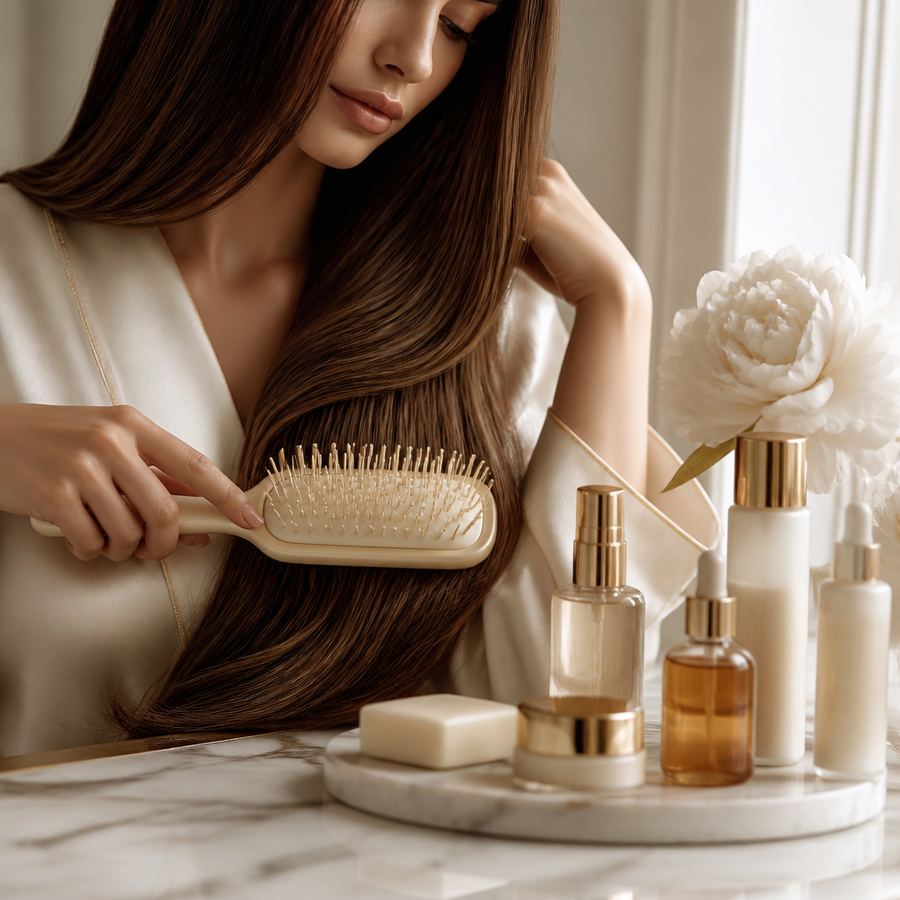
The short answer is yes, brushing your hair while it's wet can indeed lead to damage. Hair is most vulnerable when it's saturated with water. Think of it like a delicate silk fabric; it stretches and can tear more easily when wet compared to when it's dry. Understanding why this happens is crucial for maintaining healthy, beautiful hair. When your hair is wet, the cuticle layers—the outermost protective scales—lift slightly, making the inner cortex more exposed and susceptible to breakage. This heightened fragility means your approach to detangling is paramount, especially in a climate like ours.
Why Wet Hair Breaks More Easily
When your hair gets wet, water penetrates the hair shaft, causing it to swell and stretch. This process temporarily weakens the hydrogen bonds that give hair its structure and strength. Imagine an elastic band: when dry, it's strong; when thoroughly soaked, it loses some of its resilience and can snap more readily. For your hair, this means that even gentle tugging or pulling from a brush can cause the hair follicle to stretch past its breaking point, leading to split ends, frizz, and overall weakened strands. This vulnerability is why it's so important to handle wet hair with extreme care. The hair's elasticity when wet is a double-edged sword: it allows for styling, but it also makes it exceptionally prone to mechanical damage. If you've noticed more hair shedding in the shower or after towel-drying, this heightened fragility is often the culprit. Protecting your hair at this stage is a fundamental step in any effective hair care regimen.
The Correct Approach to Detangling Wet Hair
Instead of a traditional brush, always reach for a wide-tooth comb or a dedicated detangling brush on wet hair. Start detangling from the ends of your hair, working your way up slowly towards the roots. This method allows you to gently release tangles without pulling through knots aggressively from the top, which can exacerbate breakage. Each section should be detangled carefully, ideally while your hair is still saturated with conditioner or a leave-in treatment. Applying a good quality leave-in conditioner or detangling spray, such as Goldwell's Dualsenses Bond Pro Fortifying Spray or K18 Leave-In Molecular Repair Hair Mask, creates slip, making the detangling process much smoother and significantly reducing friction. This not only protects your hair from breakage but also helps to seal the cuticle, which is particularly beneficial in preventing frizz in Boca Raton's humid air. Remember, patience is key here; rushing through this step will undo all your good intentions.
Tools Matter: Choosing the Right Comb for Wet Hair
The type of tool you use is just as important as the technique. A wide-tooth comb is the classic choice for wet hair because its broad spaces between teeth prevent excessive pulling and tearing. For those with particularly fine or tangle-prone hair, a brush specifically designed for wet detangling, like a Tangle Teezer or Wet Brush, can be a game-changer. These brushes often feature flexible bristles that glide through knots without snagging. Avoid brushes with stiff, closely packed bristles, which are better suited for dry styling and smoothing. Using the wrong tool on wet hair is akin to using a sledgehammer for a delicate task—it simply causes more harm than good. Investing in the right tools is a small but significant step towards healthier, stronger hair. Look for brushes or combs made from materials that won't create static, especially in our South Florida climate.
The Full Hair Care Ritual for Healthy Strands
Beyond detangling, your entire post-wash routine contributes to hair health. Gently squeeze excess water from your hair with a microfiber towel instead of vigorously rubbing, which roughs up the cuticle and leads to frizz and breakage. Blotting rather than rubbing also drastically reduces the friction your hair experiences while it’s most fragile. Then, apply your leave-in treatments or styling products before attempting to comb. Only after detangling and applying products should you consider heat styling, if at all. Always use a heat protectant. Air-drying as much as possible, especially in our warm climate, is often the gentlest option. If you must blow-dry, use a low heat setting and move the dryer constantly. By integrating these practices, Salon Sora clients can ensure their hair remains vibrant, strong, and resilient against everyday stressors, including our notorious humidity.
Frequently Asked
Should I detangle my hair before or after washing?+
It's best to gently detangle your hair before washing if it's heavily tangled. However, for most hair types, detangling *during* or *after* conditioning (while still wet and slippery) is ideal to prevent damage.
What's the best type of brush for wet hair?+
The best tools for wet hair are wide-tooth combs or specific detangling brushes like Tangle Teezers or Wet Brushes. These are designed with flexible bristles or widely spaced teeth to glide through knots without snagging and causing breakage.
Can brushing wet hair cause hair loss?+
While brushing wet hair doesn't directly cause hair loss (like from the scalp), aggressive brushing can lead to significant hair breakage, making it appear as though you're losing more hair than usual due to snapped strands.
The Salon Sora Puzzle
Play it now —
it's on the house.
Opens in a new tab · Free to play
Keep Reading