Hair Care
What Heat Protectant Actually Does for Your Hair
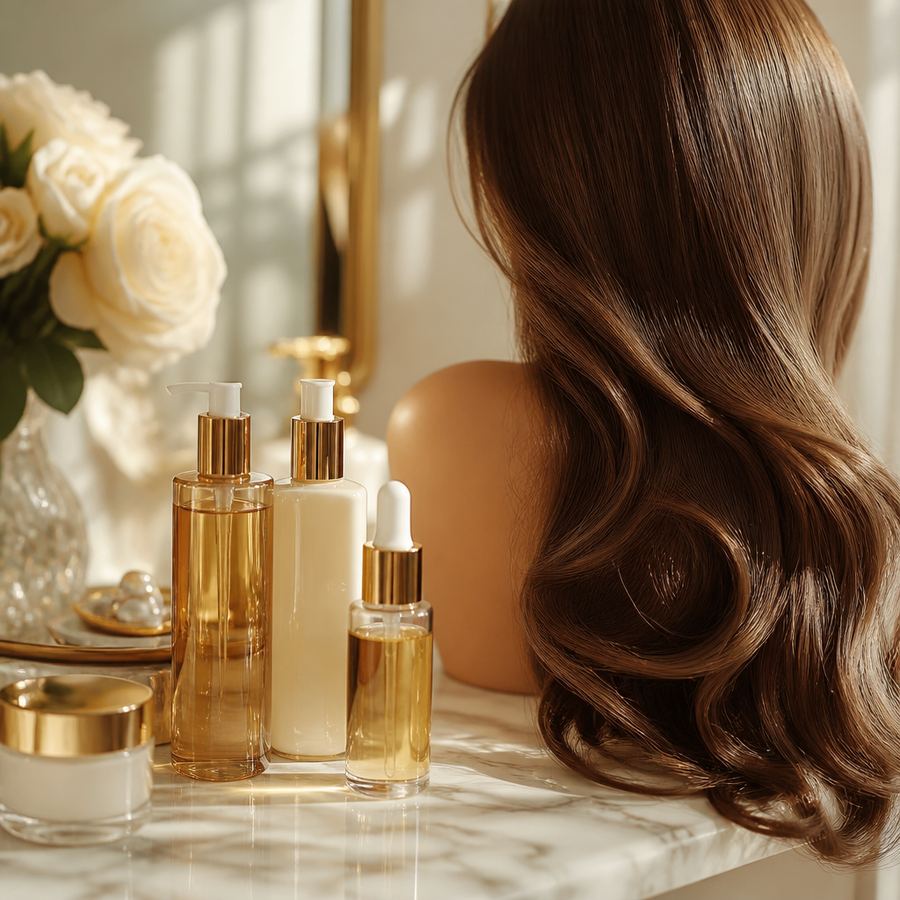
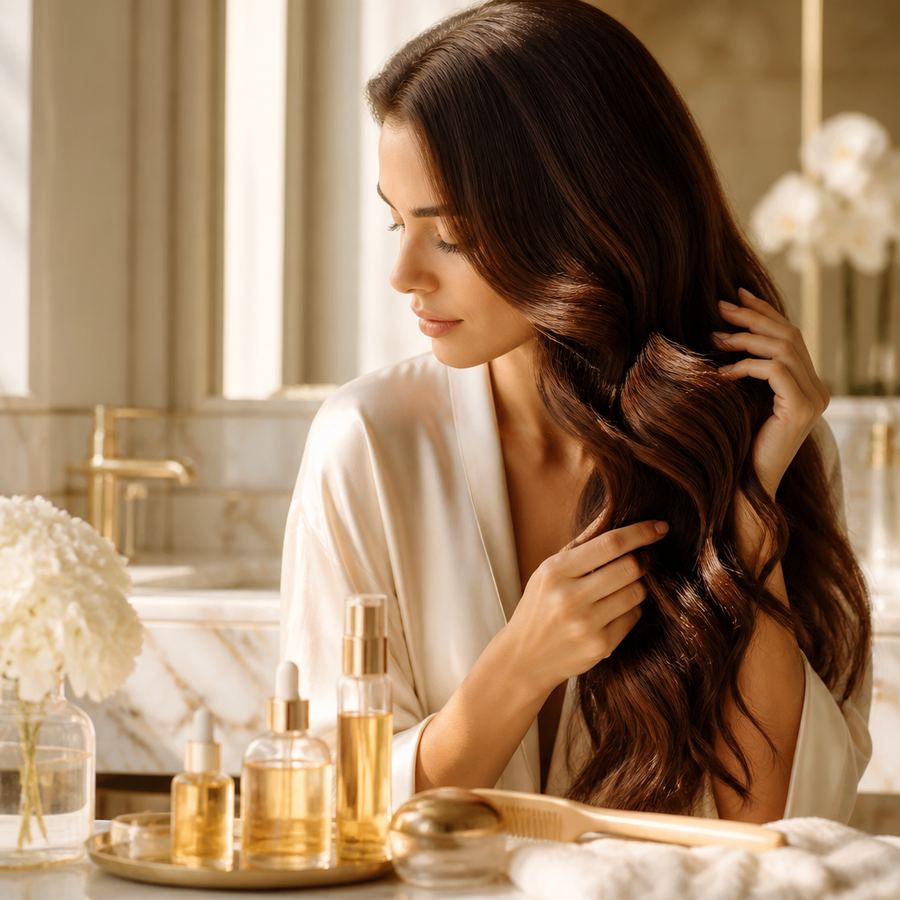
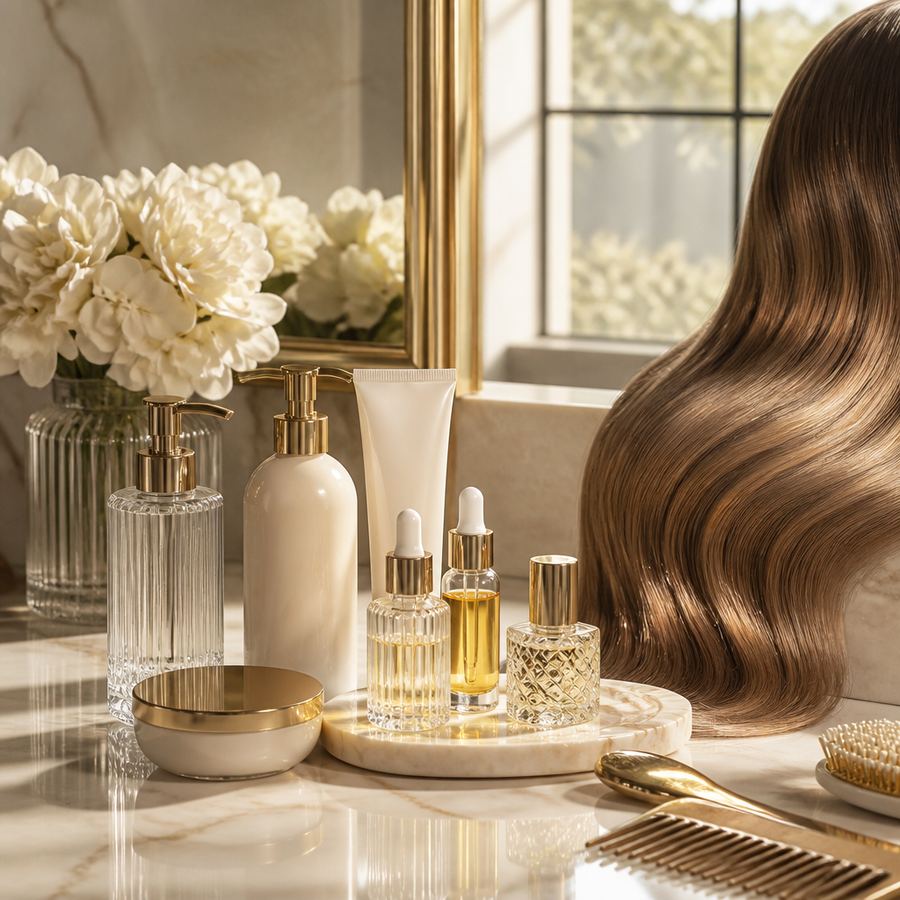
Simply put, heat protectant creates a barrier between your hair and the intense temperatures from styling tools like flat irons, curling wands, and blow dryers. Think of it as sunscreen for your hair, preventing the kind of damage that can lead to dryness, breakage, and dullness. In South Florida, where humidity often means more frequent heat styling to maintain a polished look, a good heat protectant isn't merely a suggestion – it's a necessity. It helps keep your hair resilient, even when battling the elements.
How Heat Styling Harms Hair
When you apply direct heat, the water inside your hair cuticle boils. This rapid boiling creates steam that can literally cause microscopic ruptures, leading to bubbles and cracks along the hair shaft. This process is called 'bubble hair' and it significantly weakens the hair's structure, making it brittle and prone to snapping. Over time, this damage accumulates, leaving your hair looking fried and listless. Without protection, the hair's natural proteins, primarily keratin, begin to break down. This doesn't just affect the look of your hair; it compromises its fundamental health. The outer layer, the cuticle, lifts and frays, making hair rough to the touch and difficult to manage. This is particularly noticeable on color-treated hair, as the lifted cuticle allows color to escape more quickly, leading to premature fading.
The Science Behind Heat Protectant
Heat protectants work by forming a protective layer over each strand. This layer typically contains ingredients like silicones (e.g., dimethicone, cyclopentasiloxane), natural oils (e.g., argan oil, coconut oil), and polymers. These components help to slow down heat conduction, distributing it more evenly across the hair shaft rather than concentrating it in one spot. This reduces the risk of extreme temperature spikes that cause immediate damage. Additionally, many heat protectants include humectants and conditioning agents that replenish moisture and smooth the cuticle. Some advanced formulas even contain hydrolyzed proteins like keratin or wheat protein, which temporarily fill in gaps in damaged cuticles, providing a smoother surface. This combination of heat distribution, moisture retention, and cuticle sealing is what makes these products so effective.
Applying Heat Protectant for Best Results
Timing and technique are key to maximizing your heat protectant's benefits. For blow-drying, apply a lightweight spray or cream, like Goldwell Kerasilk Styling Activating Heat Protection Spray, to damp, towel-dried hair. Ensure even distribution from roots to ends, using a wide-tooth comb to detangle and spread the product. For flat ironing or curling, wait until your hair is completely dry. A dry-use spray, such as K18 Molecular Repair Hair Mist, can be applied section by section just before using your tool. Don't oversaturate your hair; a fine mist or a small amount of cream is usually enough. Too much product can weigh hair down or make it greasy. Focus on the mid-lengths and ends, as these are typically the oldest and most vulnerable parts of your hair. Remember, even with protectant, aim to use the lowest effective heat setting on your tools. This holistic approach ensures your hair remains healthy and vibrant.
Beyond the Bottle: Total Hair Protection
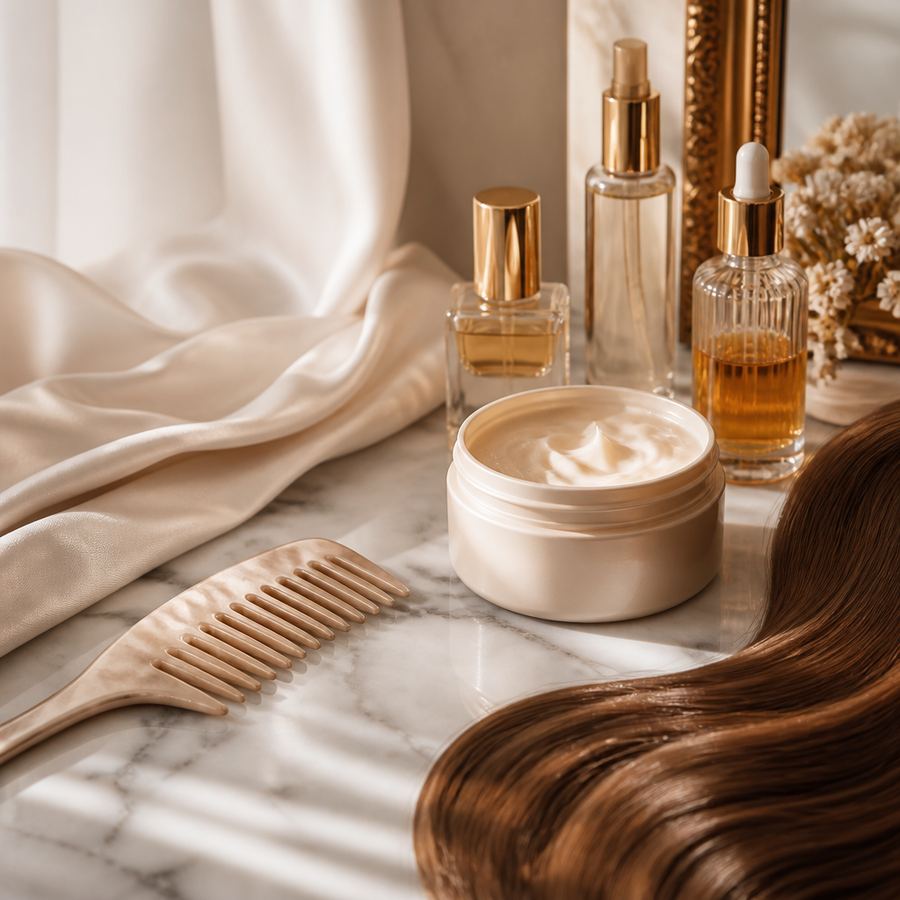
While heat protectant is non-negotiable for heat styling, it's part of a larger picture of hair health. Regular trims are essential to remove split ends before they can travel up the hair shaft. Incorporating deep conditioning treatments or hair masks once or twice a week, especially those designed for repair and hydration, can significantly improve your hair's resilience. Consider options like an Olaplex No. 3 Hair Perfector for strengthening. Protecting your hair from the sun is equally important, particularly in a sunny climate like Boca Raton. Just as UV rays damage skin, they can degrade hair proteins and fade color. Look for leave-in products with UV filters, or wear a stylish hat when spending extended time outdoors. These proactive steps, combined with diligent use of heat protectant, ensure your hair stays gorgeous and manageable, even with your most ambitious styling goals.
Frequently Asked
Can I use heat protectant on dry hair?+
Yes, for flat irons or curling wands, always apply heat protectant to completely dry hair. Many formulas are specifically designed for dry application, providing a last layer of defense just before styling.
How often should I use heat protectant?+
You should use heat protectant every single time you apply heat to your hair, whether it's blow-drying, flat ironing, or curling. Even occasional heat styling warrants protection to prevent cumulative damage.
Do all heat protectants work the same way?+
No, while the core function is similar, formulations vary. Some are lightweight sprays for fine hair, others are thicker creams for coarse hair. Some offer additional benefits like frizz control or shine, so choose one that suits your hair type and styling needs.
The Salon Sora Puzzle
Play it now —
it's on the house.
Opens in a new tab · Free to play
Keep Reading