Cuts
Precision Cut vs. Layered Cut: What's the Difference?
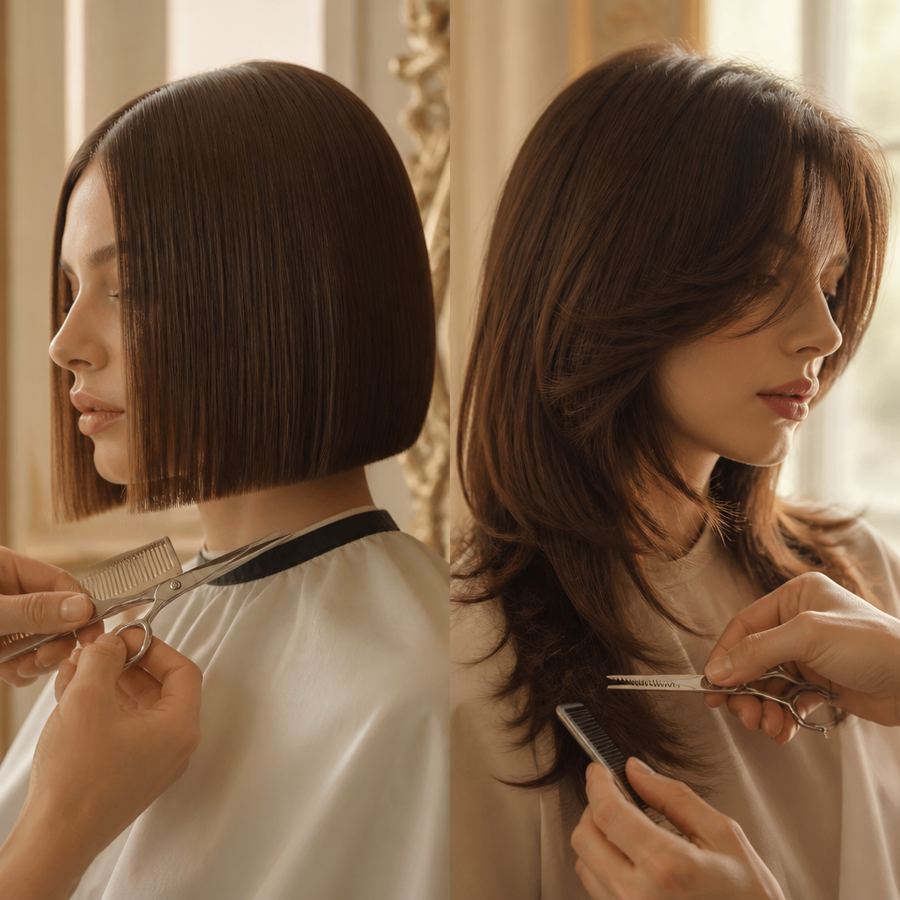
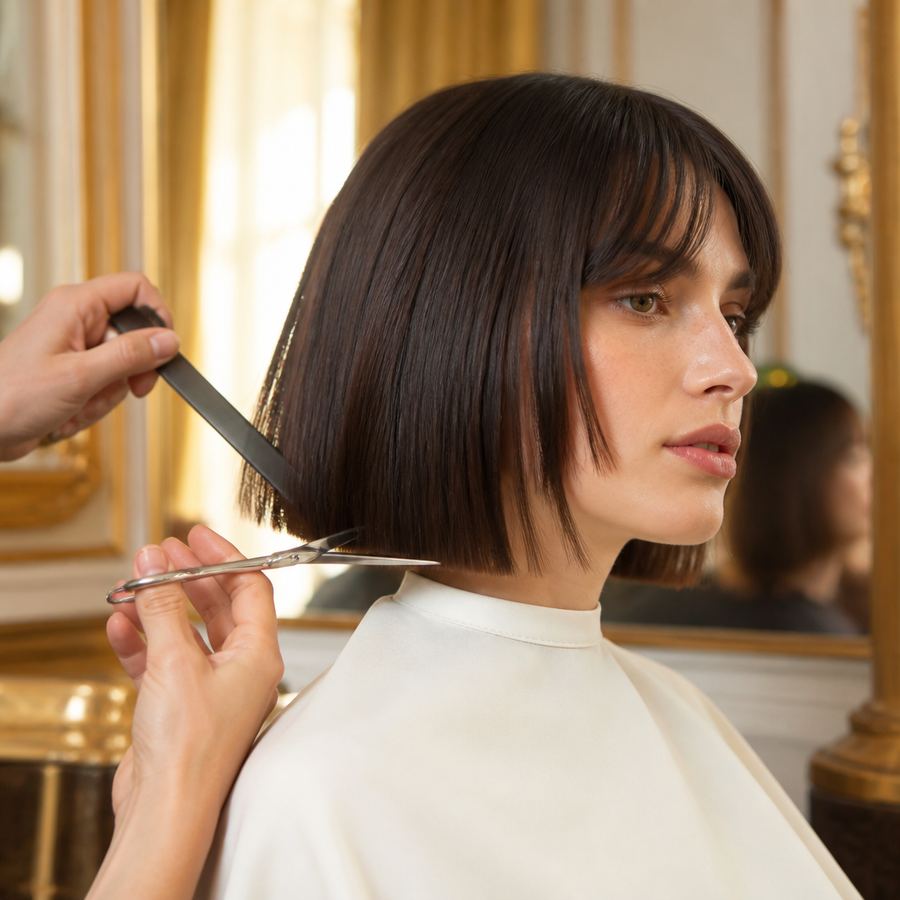
The main difference between a precision cut and a layered cut lies in their underlying philosophy and execution. A precision cut focuses on clean, sharp lines and geometric shapes, where every strand has a specific place. Think of a classic bob or a sharp pixie. A layered cut, on the other hand, involves cutting hair at different lengths to create movement, volume, or to remove bulk. This technique can range from subtle face-framing layers to dramatic, choppy styles. Your choice depends on your hair's natural texture, how you style it daily, and the overall aesthetic you're aiming for.
What Defines a Precision Haircut?
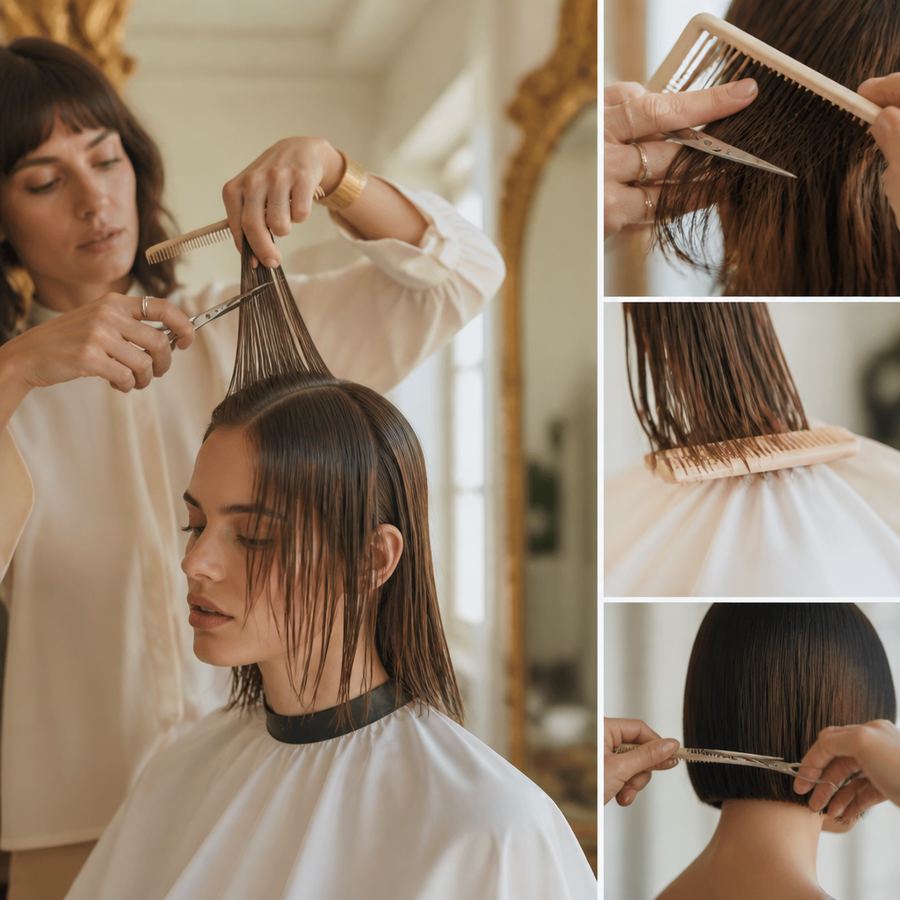
A precision haircut is all about accuracy and structure. This technique involves cutting the hair with exact angles and clean lines, often with no over-direction. The stylist works meticulously to ensure that each section falls perfectly into place, creating a strong, architectural shape. Think Vidal Sassoon's iconic bobs or Mia Farrow's pixie. This type of cut requires a skilled hand and a deep understanding of hair's natural fall. It's often performed on damp hair, allowing the stylist to see the true line. The result is a polished, sophisticated look that often maintains its shape remarkably well as it grows out, requiring less fuss during daily styling, especially here in humid South Florida. Products like Goldwell Stylesign Volume Bodifying Spray can enhance the sharpness of these cuts without weighing them down.
When Is a Precision Cut the Right Choice for You?
Precision cuts are ideal for those who prefer a strong, defined aesthetic and want their haircut to be a statement in itself. If you appreciate clean lines, minimal daily styling effort for maintaining the shape (though blow-drying might be necessary), and a sophisticated appearance, this could be your go-to. It works beautifully on straight or slightly wavy hair, as the defined lines are more visible. If you have very fine hair, a precision cut can make it appear thicker and fuller by creating a solid perimeter. For those with thicker hair, it can provide structure and control a fuller mane. It's also a fantastic option if you're looking for a cut that holds its form well between salon visits, typically around the 6-8 week mark for trims.
Decoding the Layered Haircut
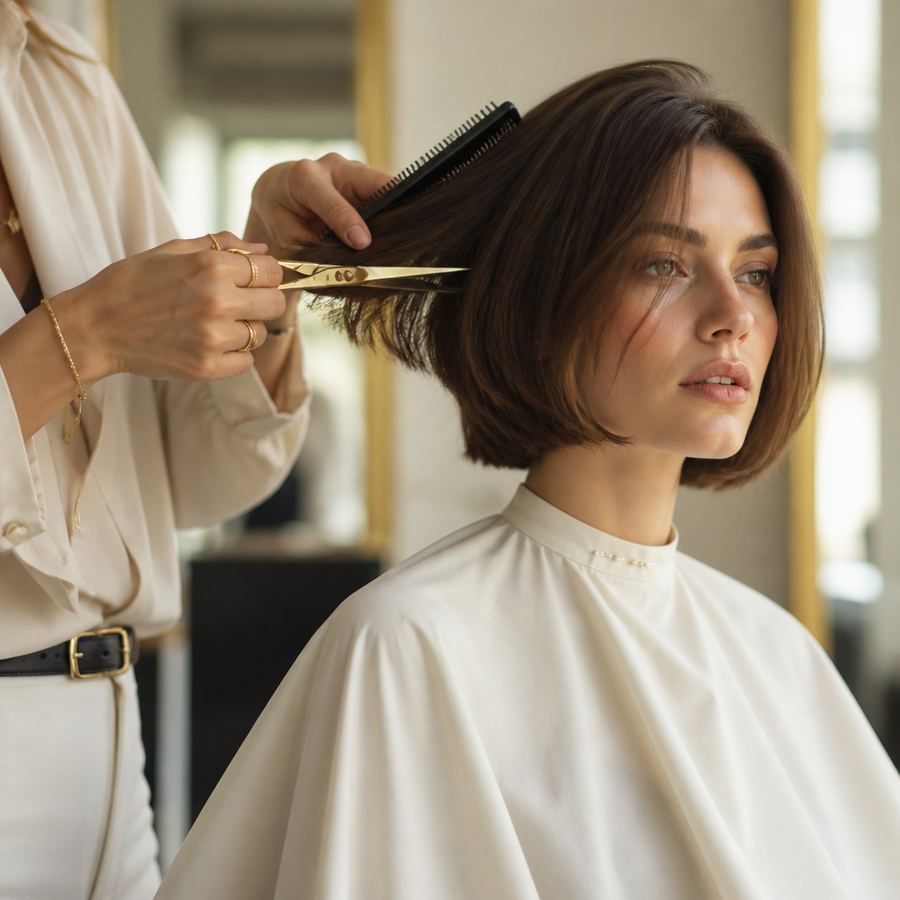
In contrast, a layered cut involves cutting sections of hair to different lengths throughout the head. This technique introduces texture, volume, and movement, and can also be used to remove weight from thick hair or add body to fine hair. Layers can be soft and blended, or more dramatic and choppy, depending on the desired effect. The stylist will often use techniques like point cutting or slide cutting to create seamless transitions. Layers are cut to interact with each other, creating a sense of natural flow and dimension. They are versatile and can be customized to suit almost any hair type, length, or face shape. This approach is often what gives hair that 'effortless' bounce and natural movement you see in editorial spreads.
Why Choose Layers for Your Hair?
Layered cuts are perfect for adding life to hair that feels flat or lifeless, or for taming hair that's overly thick and heavy. If you desire more body, texture, or movement, layers are an excellent solution. They allow for more versatile styling options, creating different looks with just a blow dryer and a round brush, or even simple air-drying with a K18 Leave-In Molecular Repair Hair Mask for soft, defined waves. Layers are also fantastic for framing a face, drawing attention to certain features, or softening sharp angles. For individuals with curly or wavy hair, layers can enhance the natural curl pattern, preventing a 'pyramid' shape and encouraging bounce and definition. They typically require a trim every 8-10 weeks to maintain their shape and prevent split ends from traveling.
Frequently Asked
Can a precision cut have layers?+
While typically distinct, a precision cut can sometimes incorporate very subtle, internal layering to create specific contours or to remove minimal bulk without disrupting the strong external line. These layers are intentionally hidden and are not designed for overt movement, but rather to support the overall precise shape.
Which cut is better for fine hair?+
For fine hair, both can work, but for different reasons. A precision cut, like a blunt bob, can make fine hair appear thicker by creating a solid, dense perimeter. Layers can add volume and movement to fine hair, but if cut too short or too numerous, they can make fine hair look even thinner. It's about finding the right balance and placement.
Do layered cuts require more styling?+
Layered cuts often offer more versatility in styling, as the different lengths can be manipulated to create various looks – from smooth and sleek to voluminous and textured. This means they *can* require more deliberate styling to showcase their full effect, whereas a well-executed precision cut often falls into place with minimal effort. However, with the right products and techniques, like using a round brush and a good blowdryer, styling layers can become an easy, everyday routine.
The Salon Sora Puzzle
Play it now —
it's on the house.
Opens in a new tab · Free to play
Keep Reading