Hair Care
What's the Best Way to Dry Hair Without Causing Damage?
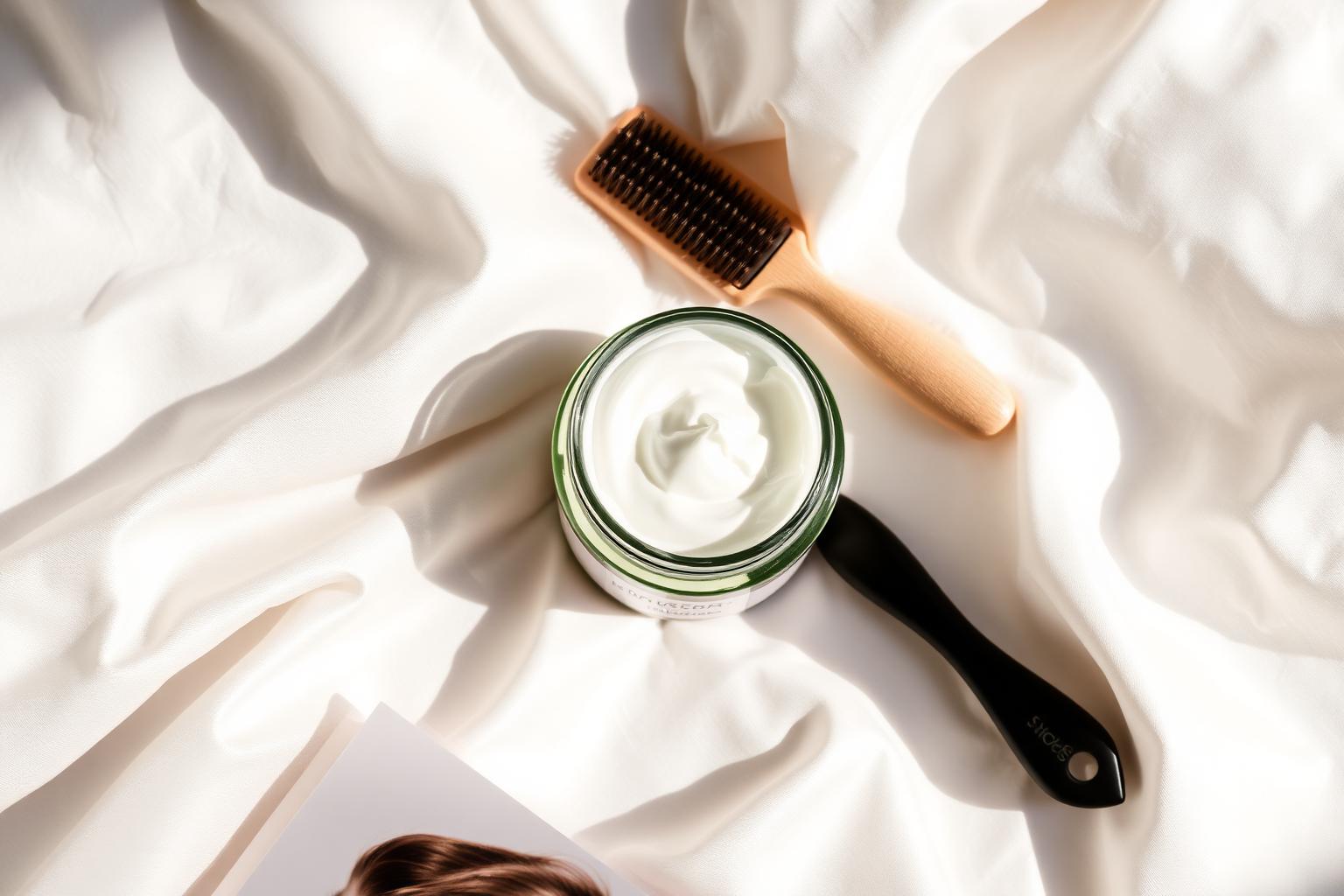
Drying your hair might seem like a straightforward task, but it's often a prime opportunity for damage. Aggressive towel rubbing and improper heat styling can lead to breakage, frizz, and dullness, especially when you're contending with South Florida's humidity. The good news is that with a few mindful changes to your routine, you can preserve your hair's health and integrity. It's about working with your hair, not against it, to achieve that polished, Salon Sora finish without compromise.
Start with Smart Towel Drying
Before you even think about heat, how you towel dry makes a considerable difference. Instead of vigorously rubbing your hair, which can rough up the cuticle and cause frizz, gently squeeze and blot your strands with a microfiber towel or an old cotton t-shirt. These materials are much softer and more absorbent than traditional terry cloth, reducing friction and preventing unnecessary breakage. Focus on pressing out the excess water from roots to ends. For those with curls or coils, the 'plopping' method can be a game-changer. After applying your styling products, gently gather your hair onto a cotton t-shirt or microfiber towel laid flat, then wrap and secure it around your head. This technique encourages curl formation while absorbing moisture, minimizing frizz and leaving your natural texture beautifully defined before any heat is applied. Aim for 10-20 minutes of gentle drying before moving on.
Apply the Right Heat Protectants
Think of heat protectant as sunscreen for your hair; it’s non-negotiable if you plan to use any heat tools, from blow dryers to curling irons. These products create a barrier that shields your hair cuticle from extreme temperatures, preventing moisture loss and structural damage. Look for formulas that specifically offer thermal protection up to high degrees, often around 450°F. Apply your heat protectant evenly throughout your damp hair before blow-drying. For instance, a lightweight spray like Goldwell StyleSign Thermal Spray or a cream like Kérastase Ciment Thermique can make a significant impact. Concentrate on the mid-lengths and ends, where hair is typically most vulnerable. This vital step helps to maintain your hair's internal health and external shine, ensuring your style lasts longer without the damage.
Master Your Blow Dryer Technique
When blow-drying, always use a nozzle attachment. This concentrates the airflow, allowing for more precise styling and preventing your hair from being tossed around indiscriminately, which leads to frizz. Begin by rough-drying your hair on a medium heat and medium speed setting until it's about 60-70% dry. This initial pass helps to remove most of the moisture without over-exposing your hair to heat. Once partially dry, switch to a lower heat setting and attach a brush – a round brush for volume or a paddle brush for smoothness. Work in small sections, directing the airflow down the hair shaft from roots to ends. This smooths the cuticle and enhances shine. Finish each section with a cool shot to set the style and lock in that healthy luster, a crucial step for achieving a Salon Sora-level finish.
Consider Air Drying When Possible
For many, especially in the warm Boca Raton climate, air drying is a fantastic option to give your hair a break from heat. While it takes longer, it completely bypasses the potential for heat damage. To air dry effectively, after towel blotting, apply a styling cream or serum designed to control frizz and enhance your natural texture, such as a lightweight Goldwell cream for smoothness or a curl-defining product for waves. Avoid touching your hair too much as it dries, as this can disrupt the cuticle and create frizz. If you have fine hair, you might gently scrunch it as it dries for added body. For thicker hair, periodically separating sections can help it dry more evenly and prevent a damp feeling. Air drying can be particularly beneficial for maintaining color vitality and overall hair health.
Choose the Right Tools and Products
The tools and products you use are just as important as your technique. Invest in a high-quality blow dryer with multiple heat and speed settings, preferably one with ionic or ceramic technology, which can help reduce drying time and static. Look for brushes that glide through hair without tugging, like a boar bristle brush for smoothing or a vented brush for faster drying along with your blow dryer. Real Techniques brushes are a great start. Beyond heat protectants, incorporate nourishing leave-in conditioners or hair serums into your routine. K18 Peptide Prep Detox Shampoo followed by their Leave-in Molecular Repair Hair Mask, for instance, can strengthen hair internally, making it more resilient to drying processes. Using the right combination of high-quality products supports healthy hair from the inside out, making your drying routine a protective ritual rather than a damaging one.
Frequently Asked
Is air drying better than blow-drying for hair health?+
Generally, air drying is less damaging than blow-drying due to the absence of heat. However, wet hair is more fragile, so minimize manipulation during air drying. If you must blow dry, use a heat protectant and the lowest effective heat setting to minimize harm.
How can I prevent frizz when blow-drying my hair?+
To prevent frizz, start with a microfiber towel to absorb most water gently. Apply a frizz-control product and heat protectant. Use a blow dryer with a nozzle attachment, directing airflow downwards from root to tip to smooth the hair cuticle. Finish with a cool shot.
Do specific hair towel materials make a difference?+
Yes, they do. Microfiber towels or soft cotton t-shirts are highly recommended over traditional terry cloth. Their smoother texture and higher absorbency reduce friction, helping to prevent frizz and breakage by gently wicking away water without roughing up the hair cuticle.
The Salon Sora Puzzle
Play it now —
it's on the house.
Opens in a new tab · Free to play
Keep Reading