Blonde
Why Does Blonde Hair Fade So Fast in Florida Sun?
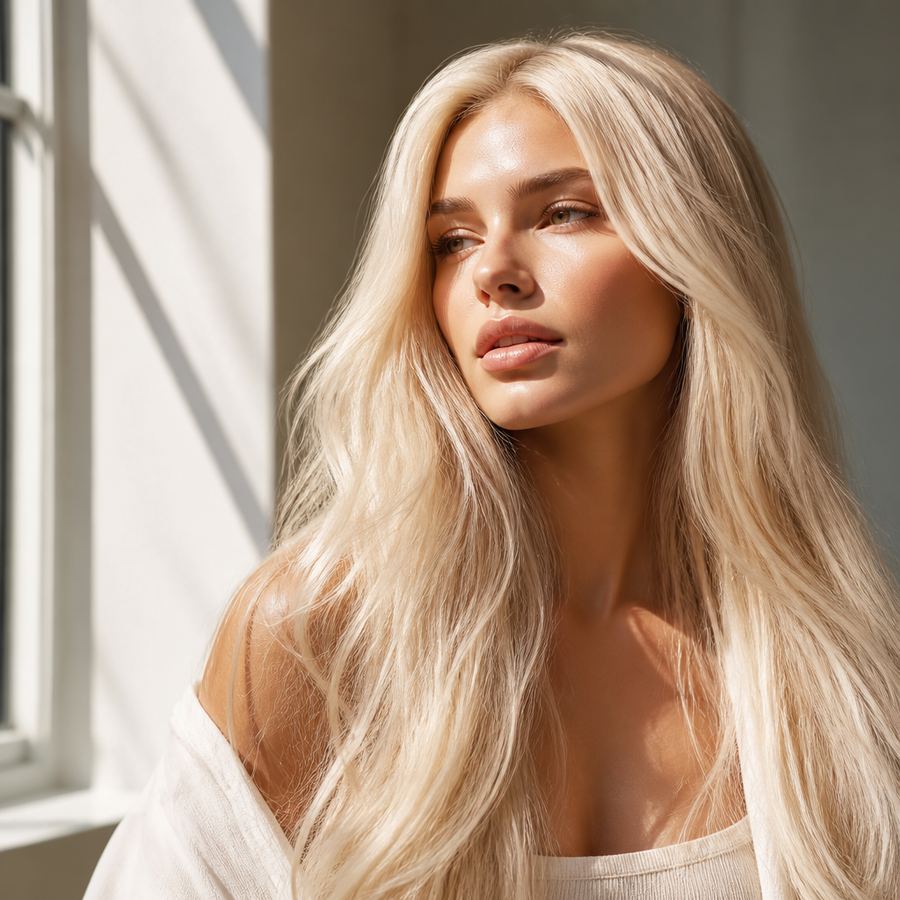
The brilliant Florida sun, while glorious for beach days, can be surprisingly harsh on your blonde hair. Its intense UV rays act like a bleaching agent, breaking down the artificial pigments in colored hair and even lightening natural melanin, leading to that all-too-familiar brassiness or dullness. But it's not just the sun; factors like humidity, saltwater, and even chlorine play a significant role in diminishing your blonde's vibrancy. Understanding these challenges is the first step to keeping your hair looking salon-fresh longer.
The Sun's Role: More Than Just Lightening
While you might appreciate a little natural brightening, the sun's UV radiation does more than just lift your hair color. UVA rays directly break down the chemical bonds that hold your hair dye molecules together. This is especially true for cooler blondes, which rely on delicate violet and blue pigments – these are often the first to oxidize and disappear. The result is a warmer, brassier tone that can appear within just a few weeks. UVB rays are equally damaging, weakening the hair's protein structure, making it more porous and less able to hold onto color. Think of your hair cuticle like shingles on a roof; sun damage can lift and separate those shingles, allowing precious color molecules to escape more easily. This combined assault from both UVA and UVB accelerates fading significantly, especially when you're consistently exposed to South Florida's powerful rays.
Humidity and Porosity: A Humid Problem
Boca Raton's high humidity, while good for our skin, is a double-edged sword for blonde hair. Porous hair, often a side effect of lightening, readily absorbs moisture from the air. This constant swelling and contracting of the hair shaft further lifts the cuticle, making it harder for your blonde toner to stay put. When your hair is already compromised by sun exposure, this effect is amplified. Consider how your hair feels after a humid day – often a bit frizzier or rougher. This texture change is a direct indicator of cuticle disruption. Properly sealing the cuticle with conditioning treatments and anti-frizz products becomes crucial in humid climates to lock in color and prevent moisture imbalance that leads to accelerated fading and brassiness. It's an ongoing battle, but one that can be won with the right care.
The Ocean and Pool: Your Blonde's Arch-Nemesis
South Florida living often involves saltwater and chlorine, both notorious for stripping blonde color. Saltwater, with its abrasive crystals, can physically abrade the hair's cuticle, literally scraping away toner and opening the door for sunlight to do even more damage. It also dehydrates hair, contributing to increased porosity. Chlorine, found in pools, is a harsh chemical that can alter the hair's natural pH, breaking down color molecules and often leading to that unwelcome green tint in very light blondes. This green cast isn't dye; it's a reaction between the copper in pool water and the chlorine, which then binds to the protein in your hair. Always wet your hair with clean tap water and apply a leave-in conditioner before swimming to create a barrier, acting as a shield against these elements.
Proactive Protection: Keeping Your Blonde Brilliant
Protecting your blonde takes a multi-pronged approach. First, invest in professional-grade UV protection for your hair – look for sprays or leave-in conditioners with SPF. Brands like Goldwell offer excellent sun protection lines. Always wear a stylish wide-brimmed hat when outdoors for extended periods; it's the simplest and most effective physical barrier. Daily care should include sulfate-free shampoos and conditioners designed for color-treated hair. A purple toning shampoo, used strategically 1-2 times a week, such as Goldwell Kerasilk Color Purple Shampoo, can counteract brassiness. Regular deep conditioning treatments, like K18 Leave-in Molecular Repair Mask used every 3-6 shampoos, will rebuild and strengthen your hair, making it less porous and better able to retain color. Remember, healthy hair holds color longer.
Frequently Asked
How often should I use purple shampoo in Florida?+
In Florida's intense environment, using a purple shampoo 1-2 times per week is often ideal to neutralize brassy tones. Listen to your hair; if it starts looking too ashy, reduce frequency. We often recommend Goldwell Kerasilk Color Purple Shampoo for its balance of toning and care.
Can my natural blonde hair get brassy in the sun?+
Yes, even natural blonde hair can develop brassy or golden tones from sun exposure. UV rays break down the natural melanin in your hair, often faster in cooler pigments, leaving behind warmer undertones. Protecting natural blonde hair with UV sprays and hats is still beneficial.
What's the best way to protect blonde hair before swimming?+
Before jumping into the ocean or pool, thoroughly wet your hair with clean tap water and apply a generous amount of leave-in conditioner. This saturates your hair, creating a barrier that prevents it from absorbing as much saltwater or chlorine. Rinse immediately after swimming.
The Salon Sora Puzzle
Play it now —
it's on the house.
Opens in a new tab · Free to play
Keep Reading